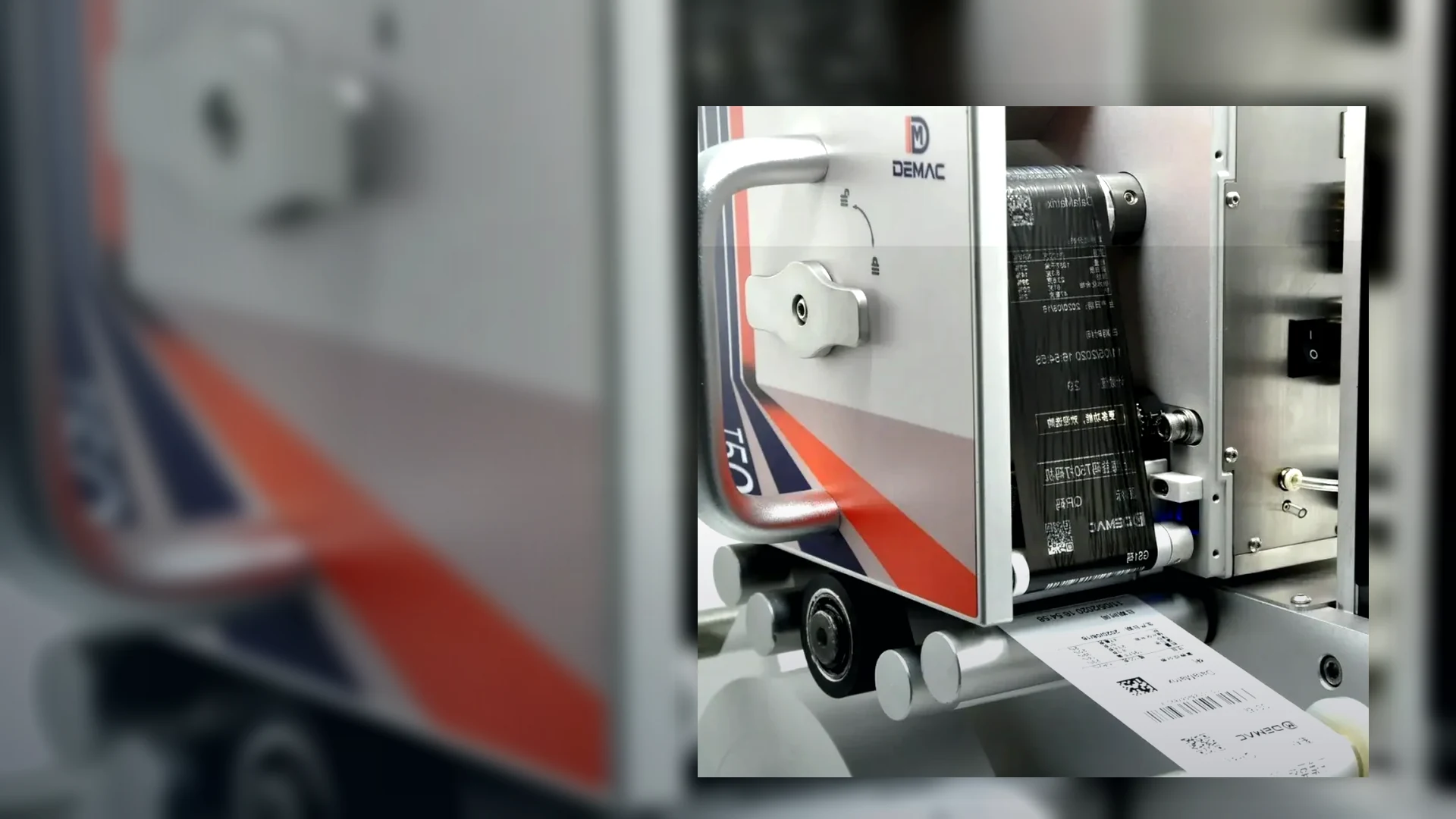
Coding machine URS and specification checklist
A user requirement specification should define what the coding station must achieve and how it will be accepted. It should not be a copy of a supplier brochure or a list of features without production context.
Write requirements as testable outcomes
A useful statement identifies the condition, required result and method of proof. “Print a clear date code” is ambiguous; a stronger requirement identifies the production material, message, movement, print area and approval test.
Define the pack
Record material, coating, colour, shape, dimensions, print location, orientation, product pitch and any moisture, oil, dust, cold or abrasion exposure. Attach photographs and controlled samples.
Define the message
Provide the largest expected artwork, fonts, character heights, date rules, batch format, barcodes or 2D symbols, logos, automatic fields and required human-readable text.
Define production behaviour
State stationary, intermittent or continuous movement; normal and maximum output; starts, stops, gaps, acceleration, changeover frequency and the available printing window.
URS structure for a coding station
| URS section | Information to include | Evidence expected |
|---|---|---|
| Purpose and scope | Line, product family, code purpose, boundaries of supply and interfaces with existing machinery. | Approved scope drawing, responsibility matrix and list of exclusions or assumptions. |
| Product and substrate | Pack formats, materials, surface condition, dimensions, presentation and representative samples. | Sample-trial record identifying the exact material and consumable used. |
| Print and data | Message layouts, variable fields, calculations, source systems, user permissions, template control and error handling. | Approved jobs, data-transfer test, invalid-data test and confirmation of the active job at the operator interface. |
| Mechanical integration | Mounting, adjustment, guarding, access, web or conveyor path, sensor and encoder positions, cable routes and utilities. | Layout or general-arrangement drawing and physical check at FAT or SAT as appropriate. |
| Controls | Ready, trigger, print complete, warning, fault, low consumable, stop, reject, reset and restart sequence. | I/O schedule, sequence description and controlled fault challenges. |
| Inspection and containment | Presence, position, OCR/OCV, decode or verification requirement; reject or stop method; tracking and confirmation. | Known good, bad and missing-code challenges with an agreed response and retained record where required. |
| Operation and changeover | Users, access levels, recipe selection, consumable replacement, cleaning, first-off approval and planned format change. | Observed changeover using approved instructions and representative operators. |
| Acceptance and handover | FAT, SAT, training, documentation, spares, support, open-item control and final approval authority. | Signed test records, action list, manuals, settings backup and training record. |
Separate data ownership from printer capability
A printer may accept variable data, but the URS must define where that data originates, who controls it and what happens when the source is unavailable.
- Name the authoritative source for product, batch, date, serial and barcode fields.
- Define date calculations, time zone, day-boundary rules, shift codes and permissions to override them.
- Specify message-template approval, version control and the method used to select the correct job.
- Describe acknowledgements, timeouts and the safe response to invalid, missing or late data.
- State whether a print completion signal confirms a command, a physical mark or an inspected result.
Interface documents to request
Use an I/O schedule for electrical signals, a data dictionary for variable fields, a protocol description for communications and a sequence of operation for line behaviour. The coding-line integration guide explains how these records fit together.
Acceptance criteria should be prepared with the URS
Writing the test after the machine is built creates avoidable disagreement. Define the evidence while the requirement is still being reviewed.
Print result
Approved message, position, contrast, adhesion and rub exposure on each required production material.
Production sequence
Normal rate, maximum agreed rate, gaps, start, stop, restart, product change and consumable change.
Fault response
Printer not ready, sensor failure, data loss, inspection failure, reject fault and recovery without releasing uncertain product.
Records
Jobs, settings, sample identity, results, deviations, open items, training and the approved software or configuration backup.
URS questions that prevent late scope changes
Is the code applied before or after the pack is formed? Flexible film may be coded as a web, while a finished bottle, carton or pouch requires different presentation and print-distance control.
Can the code area move between SKUs? Record the adjustment range and whether a recipe, scale, datum or tool is needed to restore each position.
What is the worst-case message? Use the largest content and most demanding machine-readable symbol, not the shortest date shown in a sales sample.
What downstream process can damage the mark? Include sealing heat, guides, belts, accumulation, condensation, washing, handling, case packing and storage exposure where relevant.
What does quality need to retain? Define first-off samples, scanner or vision results, user records, batch reconciliation and retention period only where the business process requires them.
What must be available at site? Confirm power, air if required, network, mounting space, safe access, line controls, representative product and personnel for acceptance.
Coding-machine URS FAQs
What is a coding machine URS?
A coding machine user requirement specification records the production outcome, pack and substrate, message and data rules, line conditions, controls, inspection, changeover, documentation and acceptance evidence required by the user.
Should a URS name a specific printer model?
It may name a model when the requirement is already verified, but the core document should still state the performance and interface outcome. This lets the supplier identify any mismatch or required option.
What samples should accompany the URS?
Provide representative production packs or film, including material and colour variants, together with the complete worst-case code artwork and a marked print location.
How detailed should the FAT section be?
Detailed enough to define samples, jobs, speeds, fault challenges, inspection checks, pass criteria and evidence. Vague wording such as “machine runs correctly” is difficult to accept consistently.
Who should approve the URS?
The appropriate production, engineering, quality, IT or controls stakeholders should review the requirements they own. The final approval route depends on the organisation and application risk.
Turn the requirement into a controlled machine brief
Send the pack samples, complete message, line information, data rules and proposed acceptance checks. Lancing can review the coding scope before a machine is selected.