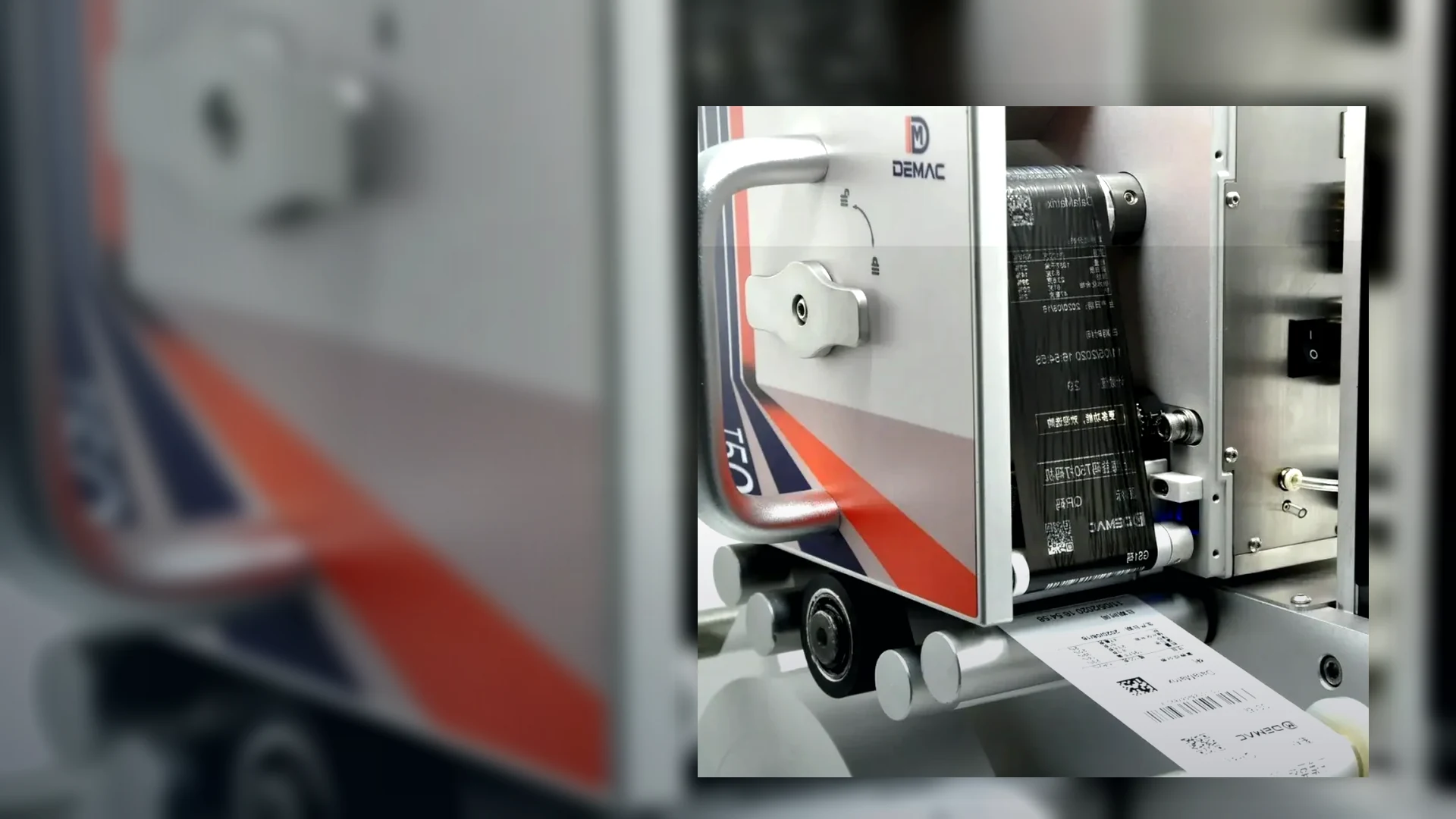
Start with pass-or-fail gates. The shortlisted technology must print the complete message inside the available area, adhere to the production material, operate with the host-machine movement and meet the agreed verification method. A machine that fails one of those gates should not progress to a weighted commercial comparison.
After the mandatory gates are passed, score the practical differences: changeover time, consumable handling, operator access, cleaning, data control, integration effort, fault recovery, support and expected production pattern. Apply weights that reflect the actual process rather than using the same scorecard for every factory.
Use evidence, not brochure labels. A statement such as “high resolution” should be translated into the smallest required text or symbol on the real pack. “High speed” should be translated into good coded packs at the intended message length, product pitch and line movement. “Network ready” should be translated into a proven data protocol and recovery state.
Keep ownership boundaries clear. This site compares hot foil, the verified J511 thermal inkjet option and T30/T50 thermal transfer overprinting. Broader continuous inkjet, handheld and case-coding choices belong on Lancing’s specialist inkjet machinery site. Variable labels printed and applied on demand belong on the labelling and print-and-apply site.