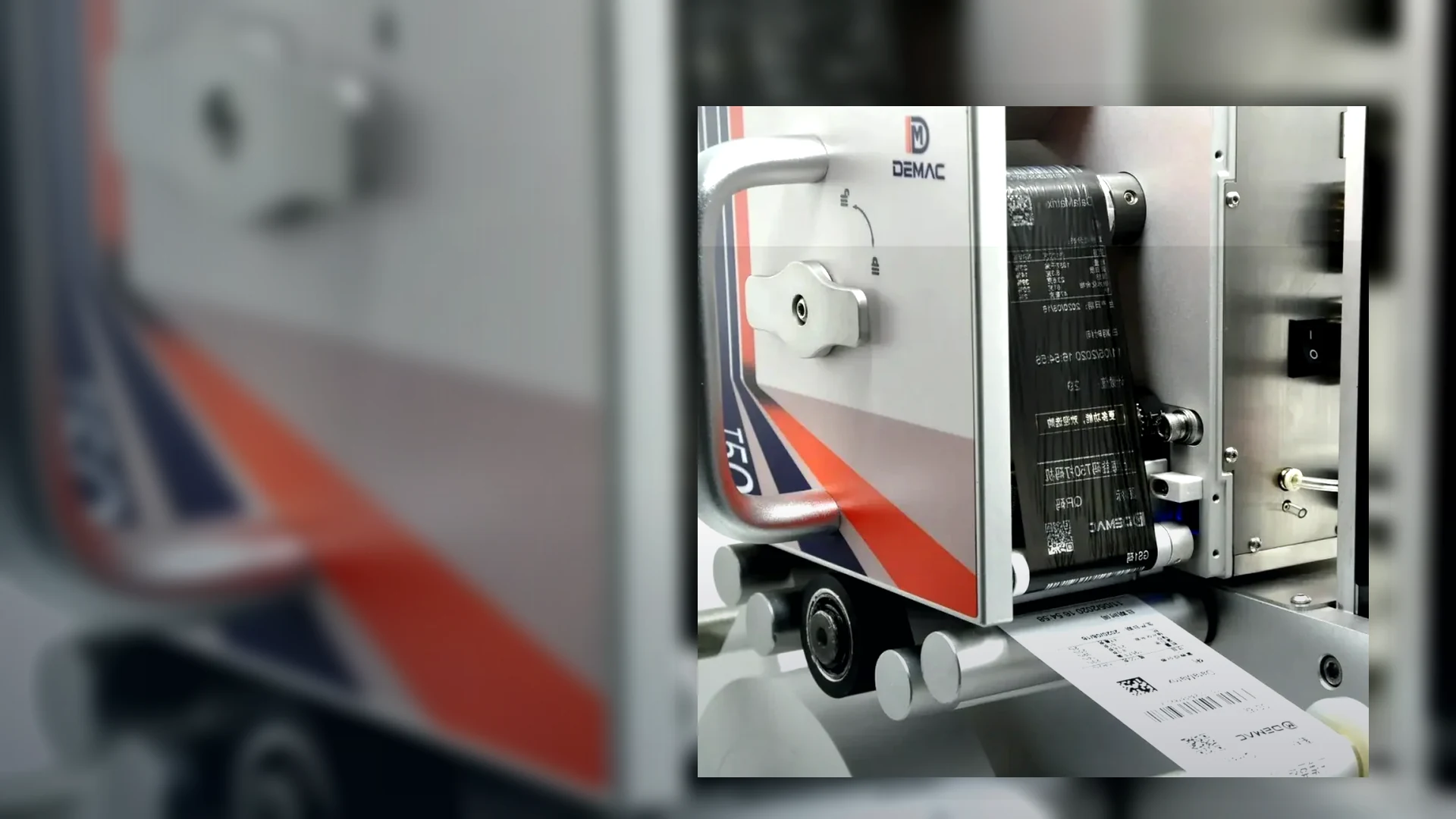
TTO vs inkjet vs hot foil coding
A practical comparison of the three main coding technologies used on labels, bottles, cartons, flexible films, bags and pouches.
Technology comparison
The best option depends on print quality, material, required content and total cost of ownership.
| Need | Hot foil | Thermal inkjet | Thermal transfer overprinter |
|---|---|---|---|
| Lowest equipment cost | Strong fit | Medium | Higher |
| Barcodes and QR codes | Limited | Strong fit | Strong fit |
| Flexible packaging film | Possible for simple marks | Depends on material and ink | Strong fit |
| Highest print quality | Basic legible characters | Good | Best option in this range |
| Frequent variable messages | Manual type changes | Good | Good, with advanced software and ribbon control |
Recommendation logic
Use hot foil for low-cost simple date coding. Use thermal inkjet when you need more flexible direct print data. Use TTO when flexible packaging film needs high-quality variable print with barcodes, QR codes, logos or nutrition information.
Compare the technologies using verified model boundaries
The table combines the supplied hot foil, J511 TIJ and T30/T50 TTO data without assuming that every substrate or message will reach the published maximum.
| Specification | Hot foil | J511 thermal inkjet | T30/T50 TTO |
|---|---|---|---|
| Resolution or character method | Heated physical type transfers ribbon; resolution is not stated as DPI. | 600 DPI. | 300 DPI, 32 mm T30 or 53 mm T50 printhead. |
| Print area | 4 × 35 mm single line or 8 × 35 mm double line. | 1.0–12.7 mm print height; 1–8 lines. | T30: 32 × 70/150 mm; T50: 53 × 70/150 mm, depending on mode. |
| Published speed | Maximum 80–150 cycles/min. | 70 m/min. | Up to 200/min intermittent or 350/min continuous; continuous speed listed up to 40 m/min. |
| Variable content | Manual type; best for short repeatable text. | Date, time, batch, serial, logo, barcode and QR data. | Dates, shift codes, serials, logos, nutrition tables, barcodes, QR, DataMatrix and PDF417. |
| Consumable | Maximum 35 mm ribbon. | 42 ml ink; quick-dry eco, water-based or oil-based options. | T30 22–33 mm / 500 m ribbon; T50 35–55 mm / 600 m ribbon. |
| Data interfaces | Not stated in the supplied data. | USB database and external real-time data support. | USB, RS232 and TCP/IP. |
| Key approval risk | Type accuracy, print area, ribbon transfer and intermittent dwell. | Ink/substrate match, print distance, trigger, dry time and contrast. | Film/ribbon match, motion synchronisation, registration and ribbon use. |
Total operating cost questions
Compare the work created by the application as well as the price of the printer.
Changeover labour
Hot foil needs physical type changes. Digital systems use stored jobs but require controlled selection and data governance.
Consumable yield
Estimate ribbon or ink from the approved message, print pitch and production pattern, including start-up and rejected prints.
Downtime and skills
Consider cleaning, cartridge or ribbon replacement, fault recovery, operator training, spare parts and access to the printer on the host machine.
Run the same acceptance challenge for every shortlisted technology
Same pack
Use the same production material, print location and expected environmental exposure.
Same message
Use the largest and most complex expected job, including every machine-readable symbol.
Same line conditions
Use realistic speed, movement, product pitch, starts, stops and downstream handling.
Turn the comparison into a sample trial
Continue with the coding print-quality guide and send the shortlisted pack and message to Lancing.
Extend the comparison beyond print quality
The best technology should meet the production duty with a manageable total cost, changeover process, maintenance model and acceptance route.
Compare lifecycle cost
Include mounting, controls, consumables, labour, inspection, downtime and support.
TIJ versus CIJ
Decide from geometry, print gap, environment, ink and maintenance rather than name alone.
Direct coding versus labels
Assess the information area, surface, stock, changeover, rework and verification.
Run one full-message acceptance challenge across every option
Use the same production pack, movement, data, handling and quality checks for hot foil, TIJ, TTO or the correct specialist alternative.