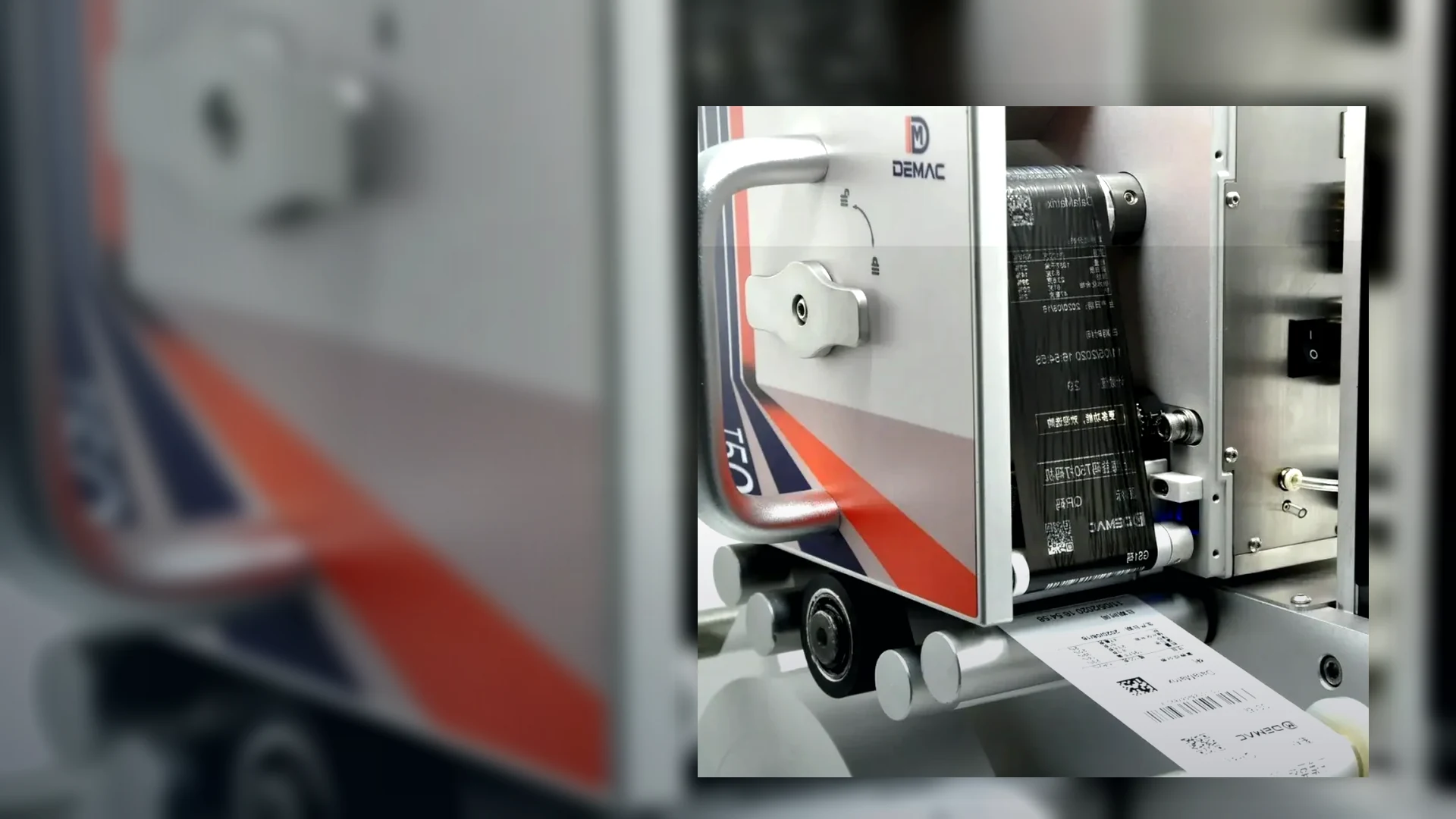
Coding machinery guides
Technical buying guides for date coding, batch marking, thermal transfer overprinting, thermal inkjet and hot foil coding systems.
Buyer guides
Use these guides to compare coding technology and gather the details needed for specification.
High-intent coding search pages
Use these pages when the enquiry starts with a specific coding requirement rather than a machine name.
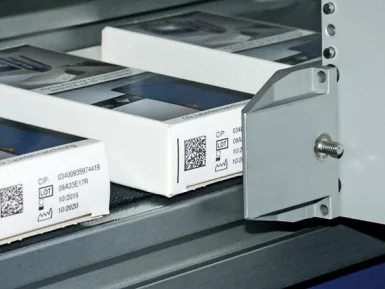
Expiry date printers
Best-before and use-by date printing for packaging lines.
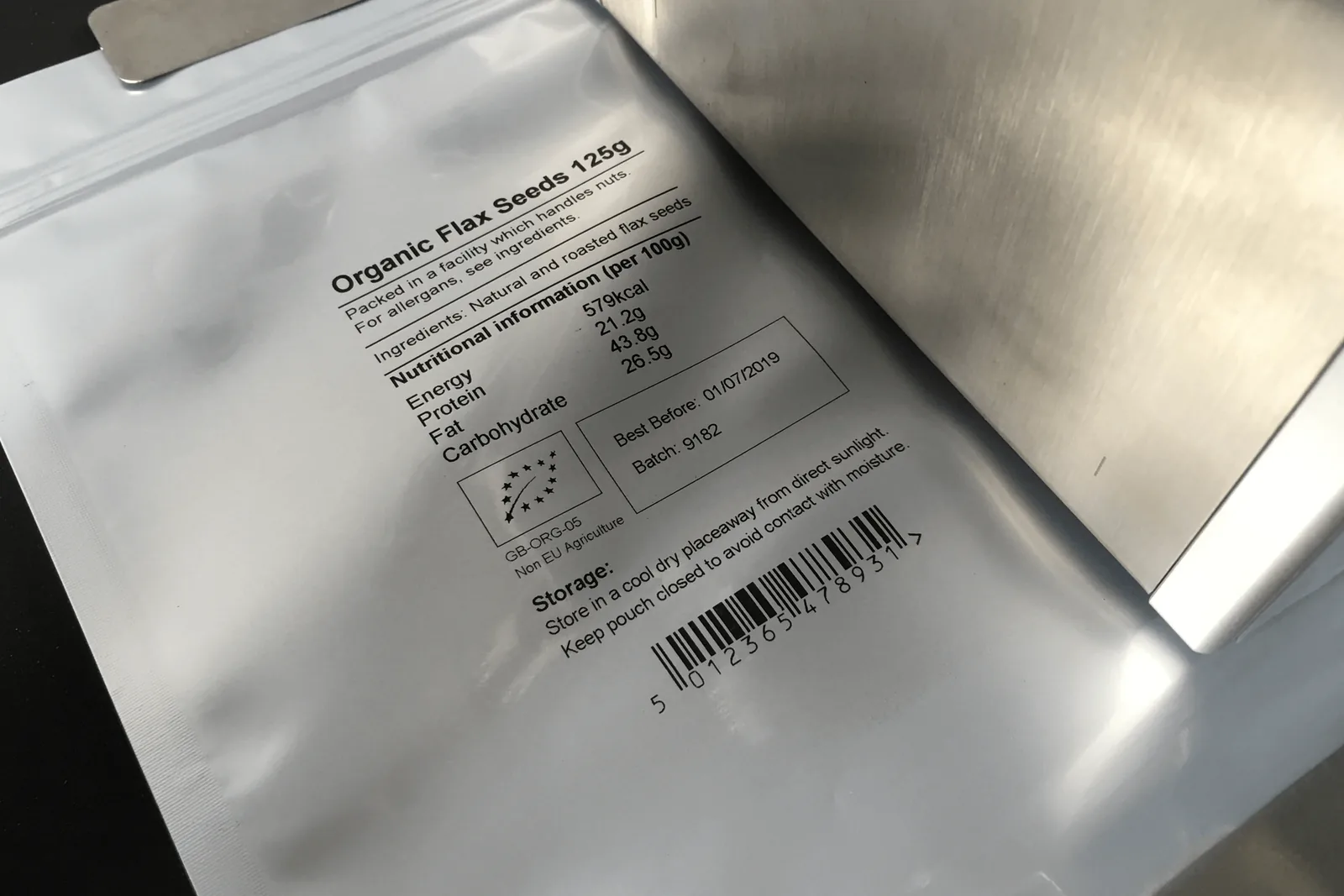
Barcode and QR code printers
Machine-readable print guidance for cartons, labels and films.
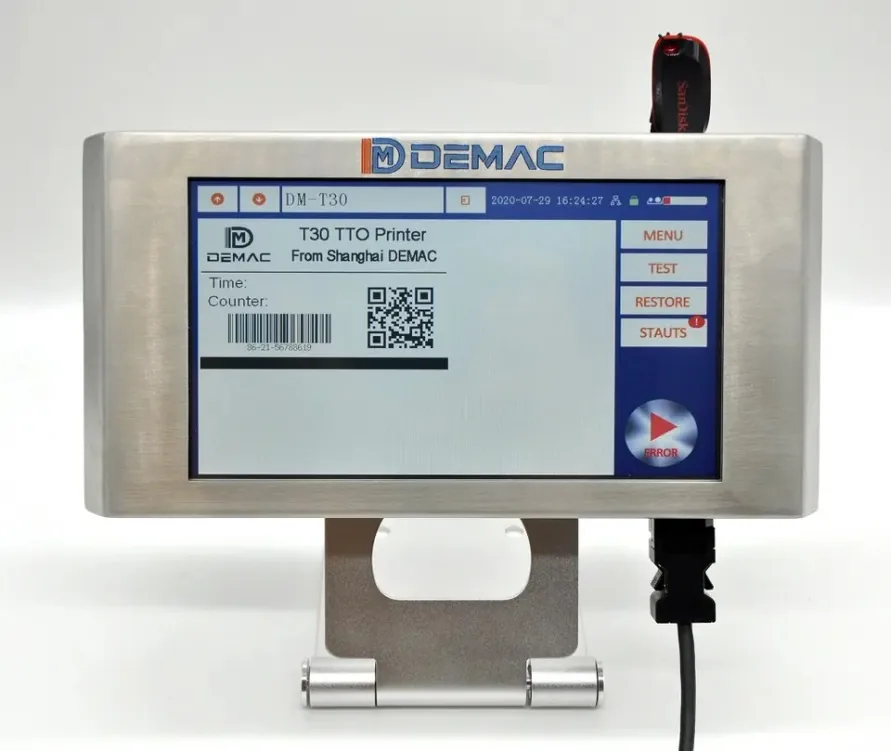
Coding machinery supplier UK
How Lancing supports specification, integration and practical machine selection.
Technical coding guides for integration, testing and uptime
Use these additions after the technology-selection guides to define the controls, proof and maintenance needed for a dependable production result.
Coding line integration and data control
Triggers, encoders, PLC I/O, database fields, ERP or MES interfaces, verification and reject handling.
Coding print quality and substrate testing
How to approve adhesion, rub resistance, contrast, position and machine-readable codes on real packaging.
Coding consumables and maintenance
Ink and ribbon selection, storage, cleaning, routine checks, changeover controls and spare-parts planning.
Use the guides in this order
A structured sequence avoids selecting a printer before the application and acceptance criteria are understood.
1. Define the application
Record the packaging material, code content, print location, line movement, expected output, environment and any barcode or 2D-code requirement.
2. Compare and test
Shortlist the credible technologies, run production samples, test the complete message at realistic speed and agree the acceptance method.
3. Integrate and support
Confirm mounting, sensors, data ownership, verification, reject response, consumables, cleaning, spares and operator training.
Advanced coding project guides
Use these resources after the initial technology shortlist to control budget, specification, data, inspection, acceptance and troubleshooting.
Coding-machine cost factors
Understand capital, integration, consumables and lifecycle drivers without relying on an unsupported headline price.
User requirement specification
Convert production needs into testable pack, message, controls and acceptance requirements.
FAT, SAT and commissioning
Plan samples, jobs, line tests, fault challenges, training and controlled handover.
Vision and reject systems
Distinguish presence, OCR/OCV, decode, verification, tracking and containment.
2D barcodes on packaging
Plan data, artwork, printer capability, final-pack verification and line readiness.
Direct coding versus labels
Compare direct print, label overprint and print-and-apply as complete production processes.
TIJ versus CIJ
Choose by substrate, geometry, print gap, line movement, environment and maintenance.
Coding-machine troubleshooting
Fault-find print, data, inspection and reject problems without uncontrolled adjustment.
Move from research into a controlled application trial
Send the real pack, full message and line details. The guide sequence can then be converted into a quotation and acceptance scope.
Coding machinery questions by buyer task
Use the question library when the project starts with a production problem rather than a printer name.
Coding machinery questions and answers
Find direct answers for line speed, code position, mounting, data ownership, changeovers and approval records.
How fast must a coder print?
Translate product pitch, web speed, print window and message size into the real coding duty.
Which system should own coding data?
Separate ERP or MES master data, PLC line control and local printer execution.
How should the coder be mounted?
Plan printhead rigidity, sensor position, adjustment, guarding and service access.
How should multi-SKU coding be controlled?
Prevent stale messages and combine data, physical setup and first-off approval.
What evidence should be retained?
Keep the approved sample, settings, consumable, message, interfaces and acceptance results together.
Start with the production question that changes the design
The answer library links each question to the appropriate product, application, trial or integration route.
Coding reference library
Move from general selection guidance into published machine data, application evidence, pack presentation and substrate qualification.
Technical resources
Access model data, supplied media, application checks, trial records and linked engineering guides.
Verified specifications
Compare hot foil, J511, T30 and T50 published values without treating them as an application guarantee.
Inline versus offline coding
Choose where the print event should sit in the packaging process and how prepared packs will be controlled.
Porous versus non-porous coding
Build a controlled test around absorbency, coatings, treatment, contamination and handling.
Coding project services and support
Use the technical guides to define the requirement, then choose the practical service route that turns the specification into production evidence.
Sample printing and pack trials
Compare consumables and coding routes using the actual pack, complete message and written acceptance method.
Coding-machine installation
Turn product flow, signals, data, mounting, access and containment into an installation schedule.
Servicing, maintenance and spares support
Build repeatable fault records, maintenance baselines and approved consumable or spare references.