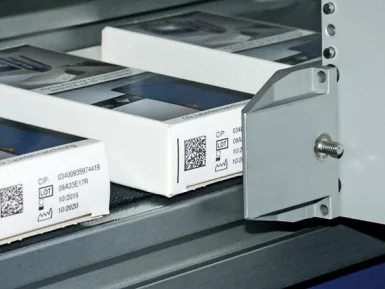
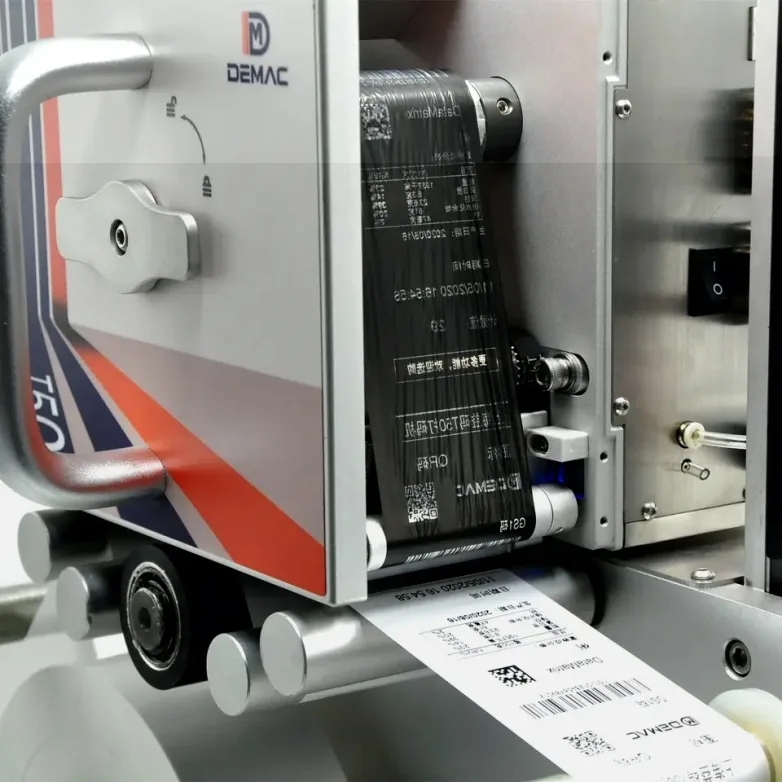
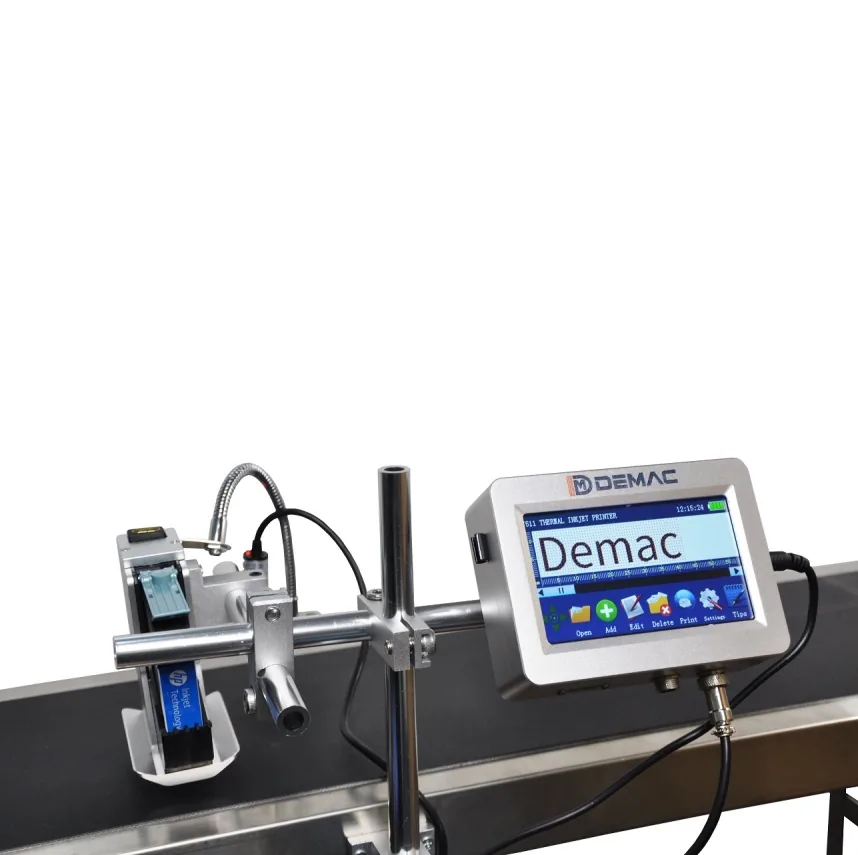
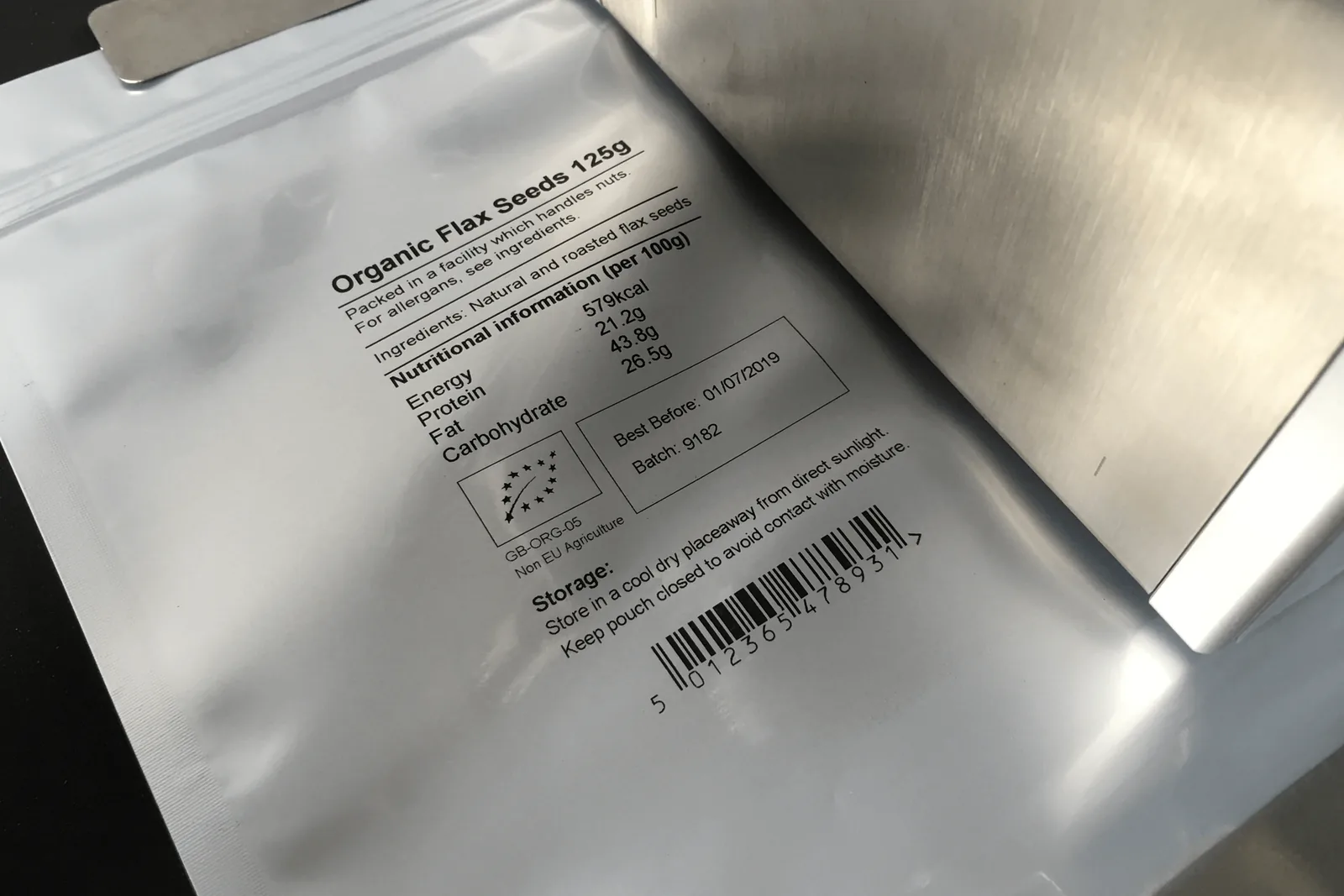
Coding machinery for date, batch and traceability marking
Coding machinery UK

Coding machinery for date, batch and traceability marking

Hot foil coders, thermal inkjet printers and thermal transfer overprinters for labels, bottles, packaging films, bags, pouches and automated packaging lines.

600 DPIthermal inkjet print accuracy option
350/minTTO print frequency available in continuous mode
80-150/minhot foil coder speed range
UK supportspecification, integration and spares guidance

Online coding for labels, bottles, bags and pouches

Print variable data as part of the packaging process, before automatic label application or directly onto packaging films.

  • Date codes, batch numbers, lot numbers and serial numbers.
  • Barcodes, QR codes, logos and graphics depending on the printer type.
  • Integration with labelling machinery, VFFS machines, sealing equipment and complete lines.
  • Offline mono and colour label printing or print-and-apply options for one-to-one identification.
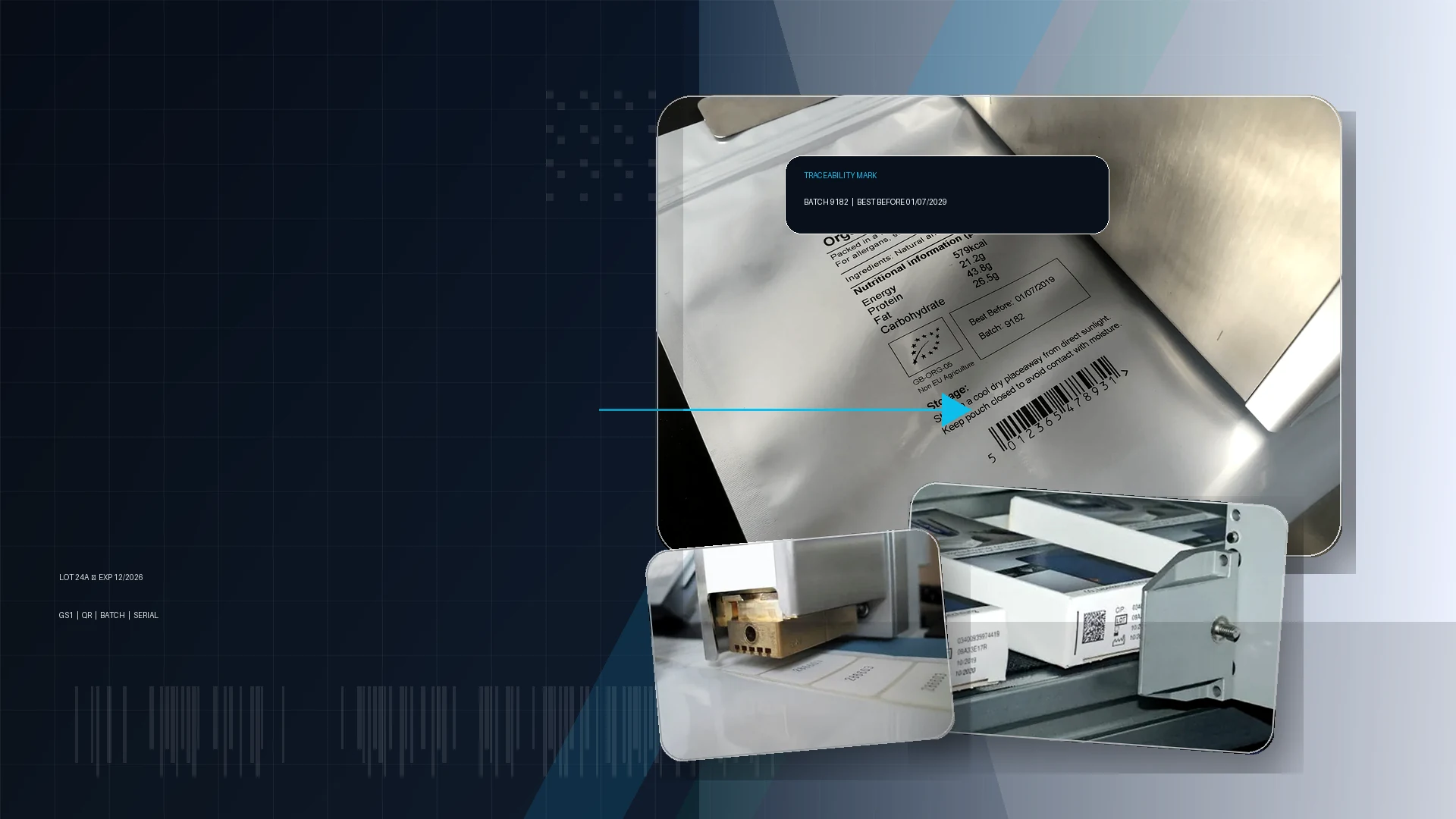
Thermal transfer overprinter integrated with packaging film
Online coding integration
Clean date, batch and QR markingConfigured around line speed, packaging material and traceability data.

Compare coding options

Use this as a first-stage guide. Final selection depends on packaging material, required print area, line speed, print content and changeover needs.

SystemBest suited toTypical print contentReason to choose
Hot foil coderLow-cost batch/date coding on labels, film and intermittent packing machines.Date, batch and short text using heated type.Simple, compact and economical.
Thermal inkjet coderCartons, labels, bottles and selected direct-to-pack marking where flexibility matters.Date, time, batch, serial, logo, barcode and QR code.Good print quality without hot type changes.
Thermal transfer overprinterFlexible films, VFFS, flow-wrap, pouch and high-quality traceability applications.Dates, logos, nutrition tables, barcodes, QR codes and variable data.Highest quality print option described in the coding range.

Built around packaging machinery integration

Specify the coder around your line instead of treating it as an afterthought.

Line speed

Match print frequency and dwell time to the packaging machine cycle so date codes remain legible at target output.

Material

Confirm film, label, carton, bottle or pouch material before choosing ink, ribbon, temperature or printhead type.

Data control

Plan for real-time date, batch, serialisation, barcode, QR code or label design software before installation.

Need a coding machine for a packaging line?

Send the material, line speed, print size and the data you need to print. Lancing will advise the suitable coding route.

Send enquiry

Quick coding machinery answers

What is coding machinery used for?

Coding machinery prints variable data such as dates, batch numbers, serial numbers, barcodes, QR codes and product information onto labels, bottles, films, cartons, bags and pouches.

Which coding machine is best for packaging films?

Thermal transfer overprinters are usually the strongest option for high-quality coding on flexible packaging films, especially on vertical form-fill-seal, flow-wrap and pouch lines.

Can Lancing help choose the right coder?

Yes. Send the packaging material, line speed, print content, print area and machine type so Lancing can advise on hot foil, inkjet, thermal transfer or print-and-apply options.

Build the coding brief around the pack, code and production line

A useful coding-machinery specification starts with the real packaging material and the information that must remain readable after the pack has travelled through the full process.

The same date or batch message can require a different printer depending on whether it is applied to a paper label, coated carton, plastic bottle, flexible film, pouch or outer case. Surface energy, colour, gloss, curvature and contamination can all affect adhesion and contrast. Lancing therefore needs the actual substrate or a representative sample before treating a print result as approved.

Line movement is equally important. Hot foil and intermittent thermal transfer systems need a controlled stationary period for the print cycle. Continuous thermal transfer follows moving web material, while thermal inkjet normally relies on a stable product path, a reliable trigger and a consistent print distance. The quoted machine speed is only one input: product pitch, acceleration, dwell time and print-message density also affect the practical result.

Define the message before choosing the hardware. Confirm the date format, batch or lot structure, number of lines, character height, barcode or 2D-code content, serial-number logic and whether data will be entered by an operator or supplied by another system. This makes it possible to check print area, resolution, software workflow and changeover risk before a machine is selected.

For machine-readable codes, visual sharpness alone is not enough. The project should agree the code type, data structure, intended scanner or verifier, minimum acceptable result and the action taken when a code is missing or unreadable. That may be a line stop, an alarm, a reject device or a controlled manual response, depending on the process.

Environmental conditions should be recorded as part of the brief. Temperature, humidity, dust, oil, condensation, washdown, product splash and contact with downstream belts or guides can change the result. A sample that looks correct immediately after printing should also be checked after its expected handling, storage and transport exposure.

Send Lancing a sample pack, the target code artwork, line-speed information, a short video of the product movement and any existing controls or data requirements. Those details allow the coding station to be considered as part of the packaging process rather than as an isolated printer on a stand.
What a coding trial should prove

A trial is most useful when it reproduces the production material, message and line conditions rather than producing a single showroom sample.

Use production film, labels, cartons, bottles or pouches, including the actual coating, colour and surface finish. Record ink or ribbon details so the approved combination can be repeated.

Run the real message

Test the largest and most complex expected job, including dates, batch data, barcodes, QR or DataMatrix symbols, logos and variable fields where they are part of the requirement.

Agree the acceptance check

Record code location, readability, adhesion, rub exposure, line speed and the response to a missed or unreadable mark. Approval should identify the conditions under which the result was achieved.

See coding machinery in the packaging process

The supplied application footage shows coding equipment operating with packaging machinery. Use it to discuss product presentation, print position, guarding, access and line timing; final suitability still depends on a sample trial.

  • Confirm whether the product or web is stationary or moving during the print cycle.
  • Check the sensor position, printhead mounting and available adjustment.
  • Allow safe access for cartridge, ribbon or type changes.
  • Consider downstream contact that could smudge or obscure a fresh code.
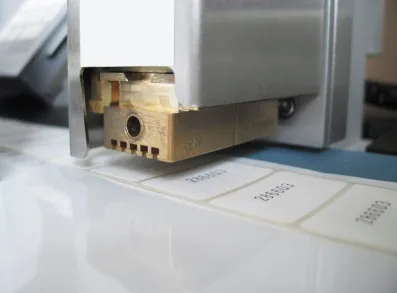
Thermal inkjet printer controller and printhead used for packaging coding Thermal transfer overprinter installed over flexible packaging film Variable date, batch and barcode print sample produced by a thermal overprinter

Prepare a coding application for review

Send the substrate, pack dimensions, code artwork, target output, line movement and any data or verification requirement. Lancing can use those details to identify the most credible next test.

Send application details

Choose the coding machine by the production risk

The strongest shortlist starts with the failure that must be prevented, then tests the printer, material, controls and operating procedure as one coding station.

Wrong data

A sharp code can still be wrong. Define who owns dates, batches, job names and variable fields; how a job is approved; and what operators see when data transfer is unavailable.

Missed mark

Confirm product detection, print-ready status, trigger timing and the line response when a pack passes without a completed print. A stop, alarm, reject or product hold must be agreed from the application risk.

Unreadable code

Approve contrast, adhesion, rub resistance and machine-readable performance on the actual substrate after realistic downstream handling, storage exposure and contact with guides or belts.

Misplaced code

Control product presentation, web registration, encoder or speed information, print delay and mounting adjustment so the mark remains inside the approved area through starts, stops and speed changes.

Evidence to include in a coding-machine brief

These records make quotations easier to compare and give the final trial a measurable purpose.

Brief itemInformation to provideWhat the acceptance test should show
Pack and substrateProduction material, colour, coating, treated side, curvature, print position and any contamination or condensation risk.The approved ink, ribbon or hot-foil combination remains legible after the pack has passed through its expected handling sequence.
MessageLargest date, batch, text, barcode, QR or DataMatrix job, including variable fields and automatic calculations.The complete message fits the available print area, is entered or transferred correctly and can be recalled without leaving obsolete data active.
Machine movementIntermittent or continuous motion, normal and maximum speed, product pitch, web travel and available print window.Print position and quality remain stable during normal production, speed changes, gaps, starts, stops and recovery.
VerificationVisual check, scanner or vision requirement, inspection limit, reject or stop method and record needed by production or quality teams.Known good, bad and missing-code samples produce the agreed response, including confirmation that any rejected pack was removed.
Operation and supportSKU count, change frequency, users, access control, consumables, cleaning, spares and escalation route.Operators can complete start-up, job change, consumable replacement and first-off approval using a documented repeatable method.

Use the coding-machine selection guide to compare hot foil, thermal inkjet and thermal transfer overprinting without forcing one technology onto every pack. The date coding and batch coding pages then separate the message rule from the physical printing method.

Where the requirement is broader continuous inkjet, handheld or large-character inkjet marking, continue to Lancing’s specialist inkjet coding machinery site. For variable labels printed and applied to products, cases or pallets, use the dedicated labelling and print-and-apply route. Complete conveyor, controls and machine-interface planning belongs with packaging line integration.

Turn the coding requirement into an acceptance plan

Send the production pack, full code artwork, line movement, data source and required response to a missed or unreadable mark.

Discuss the coding station

Prepare one controlled brief for printer, integration and acceptance

Send the production pack, complete code, line movement, data source and the response required to a wrong, missing or unreadable mark.

Discuss the full coding duty

Questions buyers ask before a coding system is specified

These answers connect the printer choice to the substrate, production movement, controls and approval evidence that determine whether the result remains dependable after installation.

What makes a coding system reliable after the machine has been installed?

A reliable coding system combines the correct printer with repeatable pack presentation, controlled data, an approved ink or ribbon, clear operator routines and a defined response to a wrong, missing or unreadable mark. Reliability therefore depends on the complete coding station, not only on whether the printer can produce a good sample in isolation.

The application should be tested with real packs, the full message, normal production movement, planned changeovers and representative stops or faults. The resulting settings and acceptance evidence should then be retained as the approved operating window.

Why should the packaging material be approved together with the consumable?

Packaging material and consumable performance are inseparable because coating, surface treatment, colour, gloss, contamination and downstream contact can change adhesion and contrast. An ink cartridge, ribbon or hot-foil grade should therefore be approved on the actual production material rather than treated as a universally interchangeable item.

Where several suppliers or material variants are used, each relevant combination should be included in the trial or controlled through a documented equivalence process. The print-quality testing guide explains how to retain a repeatable application record.

How early should coding be included in a new packaging-line project?

Coding should be included while the pack path, controls and guarding are still being designed. Early integration allows the project to reserve a stable print position, sensor and encoder locations, service access, cable routes, verification space and a reject or hold strategy before the available line footprint becomes fixed.

Leaving coding until the end can force compromises in print distance, code position or operator access. The mounting guide shows the information needed when the line already exists.

What is the fastest way to turn an enquiry into a credible coding trial?

The fastest route is to provide the real pack, the complete worst-case message and a short record of how the product or web moves at the coding point. Add the normal and maximum operating condition, preferred code area, data source, inspection requirement and any exposure to moisture, oil, dust, heat or abrasion.

This avoids repeated assumptions and lets Lancing identify the smallest useful trial scope. Use the application-evidence guide to see what should be recorded when the trial succeeds.

Turn the coding question into a controlled application brief

Send the production pack, full code, line movement, data source and the evidence required before product can be released.

Discuss the coding application

Build the coding trial from evidence

Send the production material, full message, line movement, target condition and acceptance method.

Prepare an application trial
Contact us