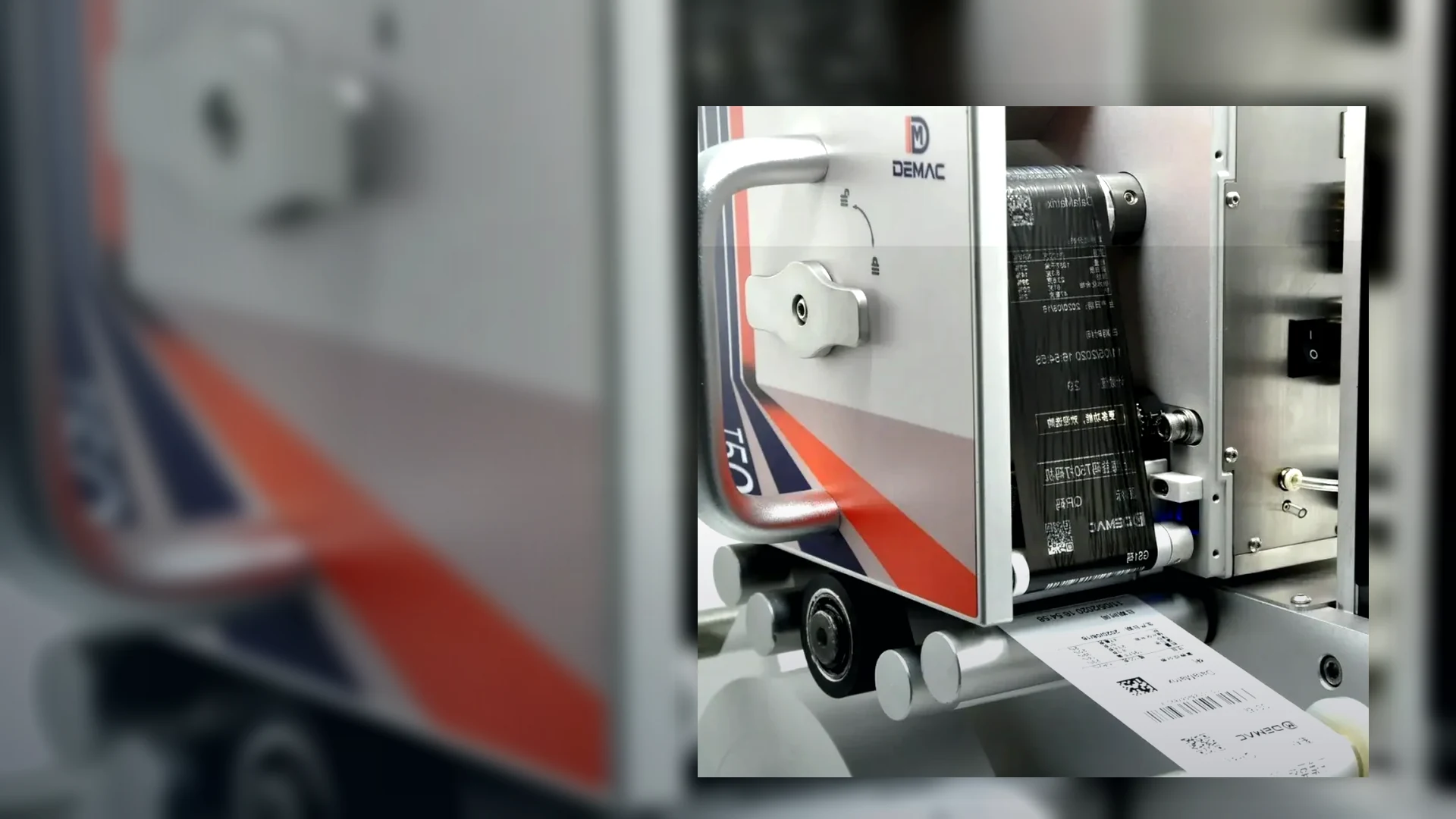
Which surface is usually the most repeatable code position?
The most repeatable position is normally a flat or consistently presented surface that the line can control at a fixed distance and orientation. It should be free from folds, seams, aggressive texture, severe curvature and downstream contact that can smear or obscure the code.
For flexible packaging, assess the flat web and the finished pack. For rigid containers, compare direct surfaces, lids, labels and cartons rather than assuming the most visible area is also the easiest to control.
Should the code be printed before or after filling, sealing or labelling?
The coding point should be chosen from the surface and process that give the strongest control. Printing before forming or sealing can provide a flat web and stable print window; printing after filling can place the code on the finished pack but may introduce curvature, condensation or product movement. Label overprinting can be controlled before application, while direct coding may avoid an extra label process.
Map every downstream operation that can move, cover, heat, wet or abrade the code before choosing the location.
How do folds, seams, curves and textured areas affect code position?
Folds and seams can split characters, curves can alter print gap or scanner geometry, and texture can interrupt ink or ribbon contact. A code that crosses these features may remain visually recognisable but lose machine-readable quality or move outside the approved artwork area.
Reserve a clear print zone on the packaging drawing and verify it on the finished pack. For barcodes, follow the applicable GS1 specification and current GS1 UK placement guidance rather than using a generic visual rule.
How should condensation, oil or dust influence placement?
Choose a location that is as clean and stable as the process allows, and test the code under the worst realistic surface condition. Moisture, oil and dust can change wetting, adhesion, contrast and inspection lighting, so moving the code to a protected label or carton may be more reliable than forcing direct print onto a contaminated surface.
State whether the pack is warm, chilled, wet, oily or dusty at the actual coding point, not only when it reaches the customer.
What clear area should be reserved around a machine-readable code?
The required clear area depends on the barcode or 2D symbol, module size, orientation, printing process and applicable standard. Artwork should reserve the complete symbol and its required quiet zones without encroachment from text, seams, folds, graphics or variable background.
Do not guess the space from a screen preview. Confirm the data, generated symbol, final physical size and verification requirement before the packaging artwork is released.
How should final code position be approved and recorded?
Approve the code on the finished pack using stable reference features such as artwork, seals, cuts, edges or label boundaries. Record the permitted position range, printhead and sensor settings, format adjustment, message and representative accepted samples.
Challenge normal speed, format change, reel change, stops and restarts. The position record should allow a trained operator or engineer to return the line to the qualified setup after maintenance.