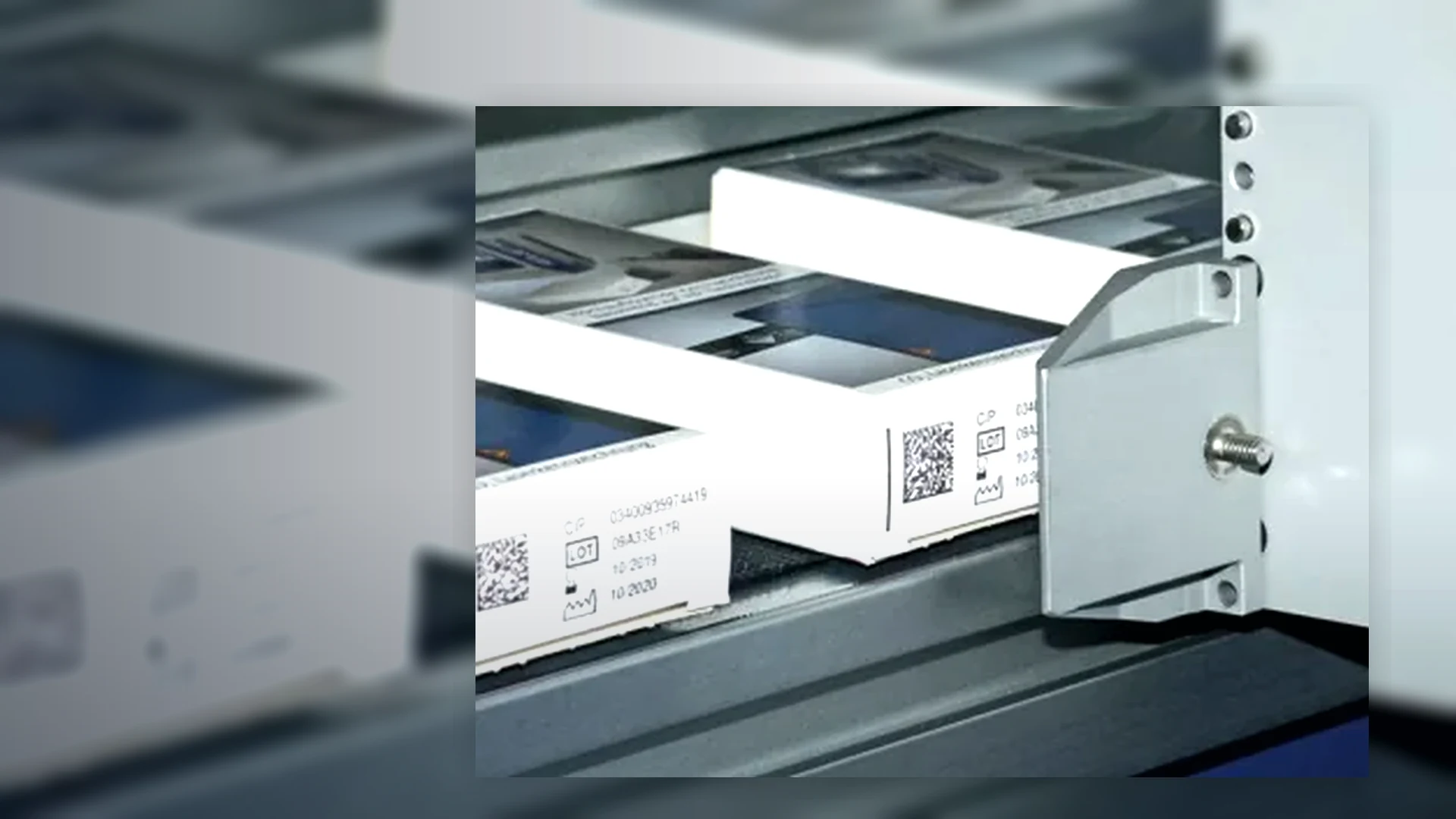
Cosmetics batch coding machines
Print clean batch, lot, date and traceability codes for cosmetic bottles, jars, labels, cartons and flexible packs.
Application guidance for cosmetic packaging coding.
How to specify this coding application
Cosmetics packaging often uses premium labels, small cartons, bottles and jars where code appearance matters as well as traceability. A good coding route protects pack presentation while giving operators a clear process for batch and date changes.
- Batch, lot, date and product reference codes
- Labels, cartons, jars, bottles and sleeves
- High-resolution print where brand presentation matters
- Direct-to-pack or label coding routes
- Small print-area and contrast checks
- Multiple SKU changeover planning
Recommended coding routes
Use these routes as a starting point before confirming samples, speed, substrate and integration details.
Label coding
Printing onto labels before application can give controlled code placement for bottles and jars.
Carton coding
Thermal inkjet can suit cosmetic cartons where the surface and line handling are controlled.
Premium flexible packs
TTO can support high-quality variable codes on cosmetic films and pouches.
Related coding machinery pages
These pages help connect the application to the most suitable coding technology and support route.
Cosmetic packaging coding FAQs
Can cosmetic bottles be coded directly?
Sometimes, but curved or glossy bottles often make label coding a more controlled route.
Can coders print small cosmetic lot codes?
Yes, thermal inkjet and TTO can print compact high-resolution codes when the print area is suitable.
Can batch data be changed between SKUs?
Yes, message templates can help operators select the correct batch and date formats.
What matters most for cosmetic coding?
Code appearance, contrast, placement, changeover control and compatibility with premium packaging materials.
Need help with cosmetic packaging coding?
Send your material, speed, code size and example data so Lancing can recommend the right coding route.
Qualify the code on premium and treated pack surfaces
Cosmetic packaging can combine glossy labels, coated cartons, coloured plastics, glass, metalised surfaces and small curved containers. A code that looks clear on a plain sample may behave differently on the final decorated pack.
Direct code or coded label?
Direct coding can reduce label handling but depends on the finished surface and a stable product path. A coded label creates a defined print area but adds artwork, stock, reconciliation and application-position controls.
What should the cosmetic-pack trial include?
Provide every relevant colour, coating, varnish, label stock, bottle or jar finish, cap or base position, smallest required text and the expected contact with filling product, cleaning agents, handling and secondary packaging.
Use the substrate guide to build a controlled material and consumable comparison.